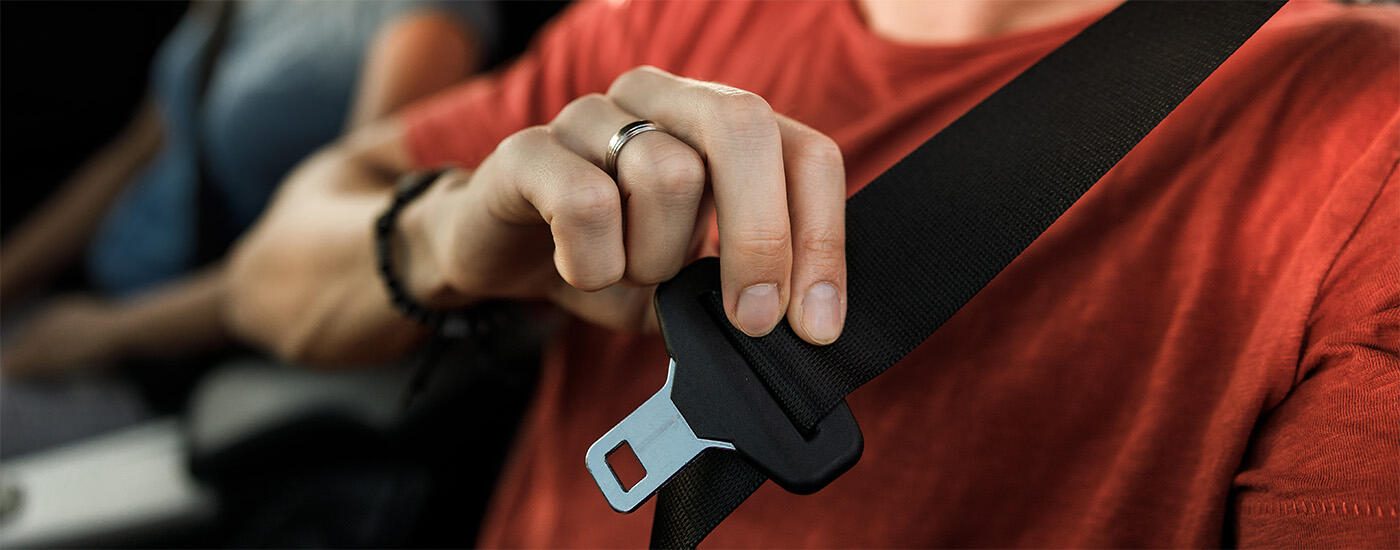
Passenger applying seatbelt
TRANSFORM YOUR JOURNEY

Passenger safety & compliance

Passenger vehicle fitouts built with safety at the core. CoF compliance, crash-tested seating, child restraints and driver protection.

Safety is built into every passenger vehicle fitout we design.

When it comes to passenger vehicles, safety touches every aspect of the fitout — from the vehicle model itself to seating standards, boarding, luggage separation and driver protection.

One significant consideration for many operators is the Certificate of Fitness (CoF). For vehicles that need one, our team will guide you through the specific layout and fitout requirements at the discovery stage — ensuring everything is designed in from the outset. We also handle the first CoF certification as part of the fitout process. For vehicles that don’t require a CoF, we’ll design to your specific needs.

Either way, there are a range of safety features worth considering for any passenger vehicle fitout — they make every journey safer for your passengers and driver.

Seating and restraint: Every seat we specify is crash-tested and certified to NZ safety standards, with proper seatbelt anchorage at every position.

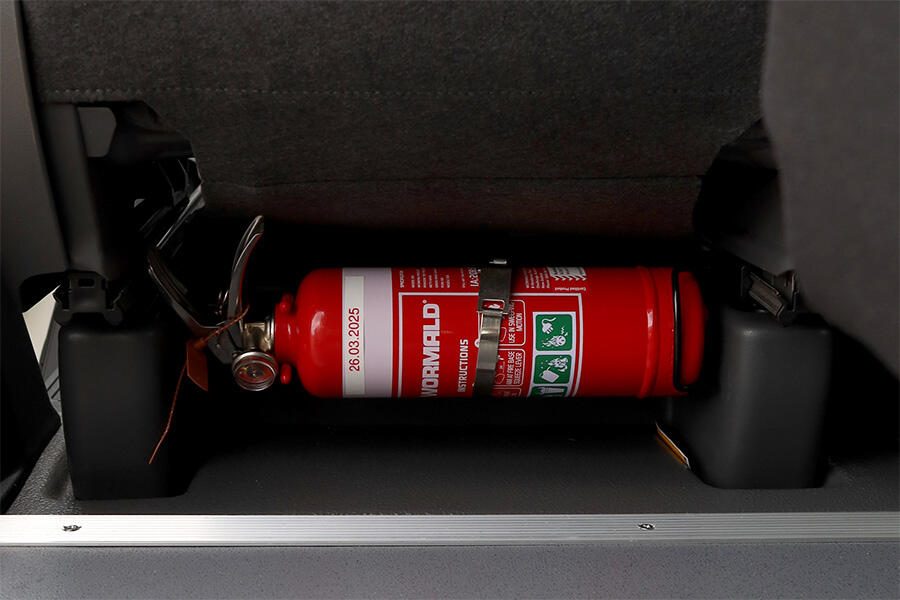
Safety accessories: First aid kits, fire extinguishers and safety stickers, supplied and fitted as part of your build.

Child restraints: For vehicles carrying young children, we can include iso fix anchor brackets to support correct installation of approved child seats.

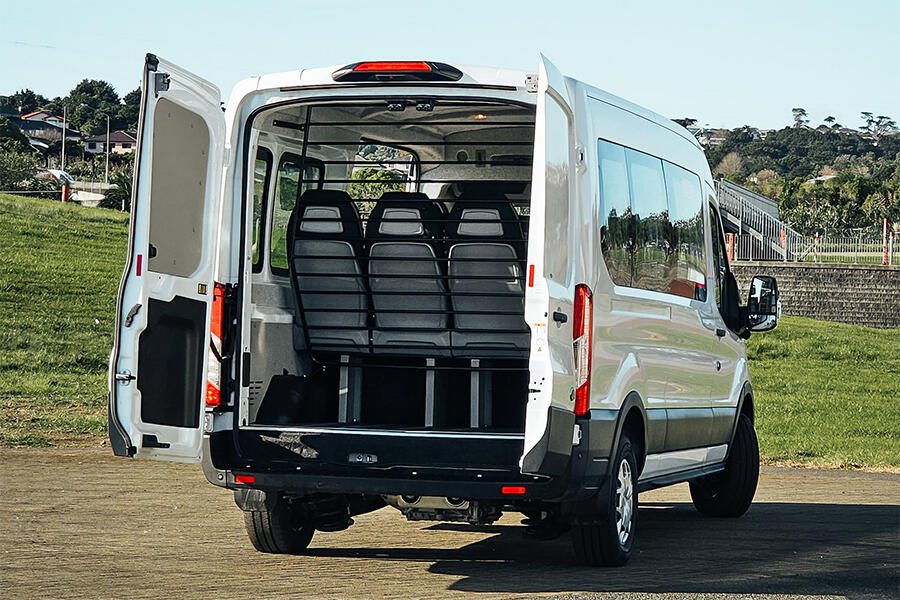
Luggage separation: Your layout can include a rear bulkhead to keep bags out of the passenger cabin, eliminating the risk of shifting loads during sudden stops. Options include a steel tube bulkhead or a more premium upholstered version (with optional shelf and LED lighting).

Driver protection: Partition and barrier options separate the driver from the passenger area, improving driver safety and reducing in-transit distraction.

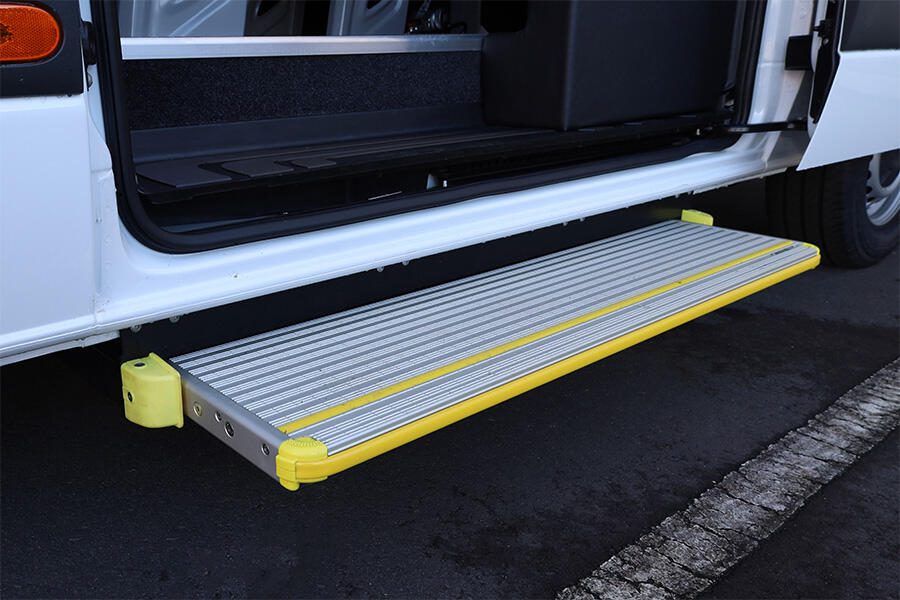
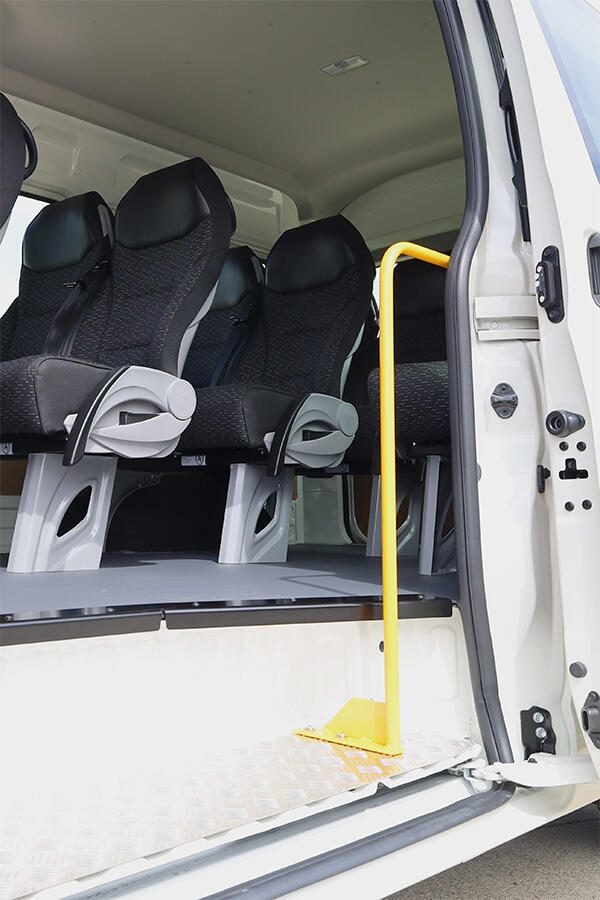
Boarding: Steps and grab handles make boarding and alighting safer for all passengers. For operators with specific accessibility requirements, (see our accessibility fitout options).

Vehicle advice: We only work with vehicle models with a proven safety record so your fitout starts from a solid foundation. We’re happy to provide consultation on the most suitable make and model for your needs.

CoF Certification: Where required, we handle the first CoF certification as part of the fitout process.

Frequently asked questions

Getting a passenger van right for accessibility and safety means matching legal compliance, restraint systems and vehicle design to who you're actually carrying. Here are the questions NZ tourism operators and passenger service operators ask most before they enquire.
  • When is a CoF required?

    In New Zealand, a CoF is required if:

    • Your vehicle’s GVM exceeds 3.5 tonnes: a CoF is required regardless of how the vehicle is registered or used.
    • Your vehicle is registered as a Passenger Service Vehicle (PSV): a CoF is required even if the GVM is under 3.5 tonnes. A PSV is any vehicle used to carry passengers for hire or reward, including shuttle services, tour operators, hotel transfers, healthcare transport and taxis.
  • How do I make a passenger van safer for transporting clients

    Safety comes down to three things working together: correct legal compliance for how the vehicle is used, quality restraint systems for every seating position, and a fitout matched to who you’re actually carrying. Start with getting the vehicle’s classification right — Certificate of Fitness (CoF) or Warrant of Fitness (WoF) — then build up from there: compliant seatbelts and anchorages, wheelchair restraints if you carry mobility clients, and sensible extras like grab rails and non-slip flooring.

  • What safety features are mandatory for commercial passenger vans in NZ?

    At minimum: a current Certificate of Fitness or Warrant of Fitness (depending on classification), compliant seatbelts and anchorages at every seating position, and — where the vehicle carries wheelchair users — wheelchair restraint systems meeting the PSV structural standard.

    Beyond the legal baseline, most operators also fit:

    • Grab rails and non-slip flooring for safer boarding
    • Cargo barriers to stop luggage becoming a hazard in a stop
    • Reversing cameras or sensors for driver visibility
  • What are recommended seatbelt and restraint systems for passenger vans in NZ?

    Every seating position in a passenger van needs a compliant seatbelt — typically a 3-point lap-sash belt or a 2-point belt. The right restraint system depends on who you’re carrying:

    • Standard passengers — 3-point/ 2-point seatbelts
    • Wheelchair users — a wheelchair tie-down and occupant restraint system built to the PSV structural standard
  • How to design a passenger van for elderly transport services

    A van for elderly transport needs to prioritise ease of boarding and stability over anything else — a low first step, sturdy grab rails, and seating that’s easy to get in and out of. From there:

    • Non-slip flooring, particularly at the entry point
    • Clear, unobstructed sightlines for staff assisting passengers
    • Wheelchair accessibility (ramp or hoist) if your service carries mobility clients
    • Comfortable, supportive seating for longer routes

Other solutions we offer

View all
Request a quote
Request a hard copy

Please fill out the form below and we will send you either a digital or hard copy of the brochure.

  • This field is hidden when viewing the form
Make a referral
Fitout project enquiry
Auto Transform motor enquiry
Seat Belt Teddy Bear copy
Passenger safety & compliance
Safety is built into every passenger vehicle fitout we design.
Loading your experience...